



Webinars
Thank you very much for your interest in our biovis Web Seminars!
Participation is free of charge.
Please register as a user with the input mask and you will automatically receive an invitation to each Web Seminar via E-mail that will also include an access link that you can use to log in. It is not necessary to register again for each follow-up seminar. One registration is enough.
Did you miss a Web Seminar? No problem! The presentation will be available in our MEDIATHEK on the very next day!
Already registered as a user? Click here to log in.
Speaker:
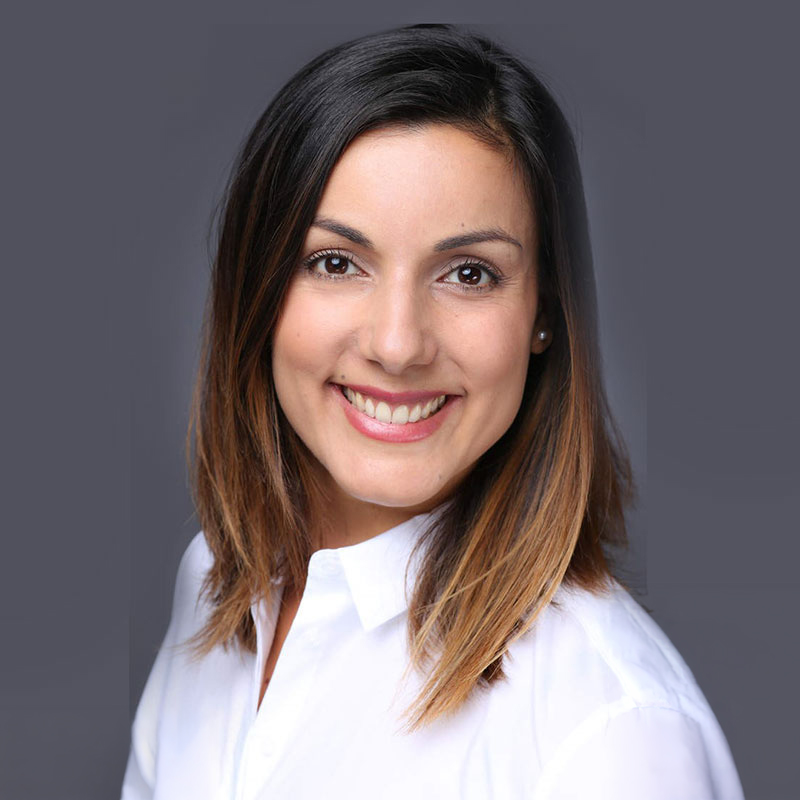
Dr. rer. nat. Romina Vardapour
Beyond Psychiatry: Rethinking Lithium as a Trace Element for Healthy Aging and Longevity
While lithium is primarily used in classical psychiatric therapy, integrative medicine increasingly recognizes its potential as a trace element that, at physiological microdoses, may support health and healthy aging. Low-dose lithium has been linked to neuroprotection, emotional resilience, mitochondrial function, inflammation regulation, and modulation of gut–brain axis signaling — key biological pathways involved in age-related decline.
This lecture examines lithium beyond psychiatric applications, emphasizing the importance of differentiated laboratory diagnostics to clearly distinguish preventive microdosing from pharmacological therapy. Combining targeted whole-blood lithium assessment with individualized microdosing strategies may provide a novel, integrative approach to supporting long-term brain and cellular health, contributing to healthy aging.
Speaker:
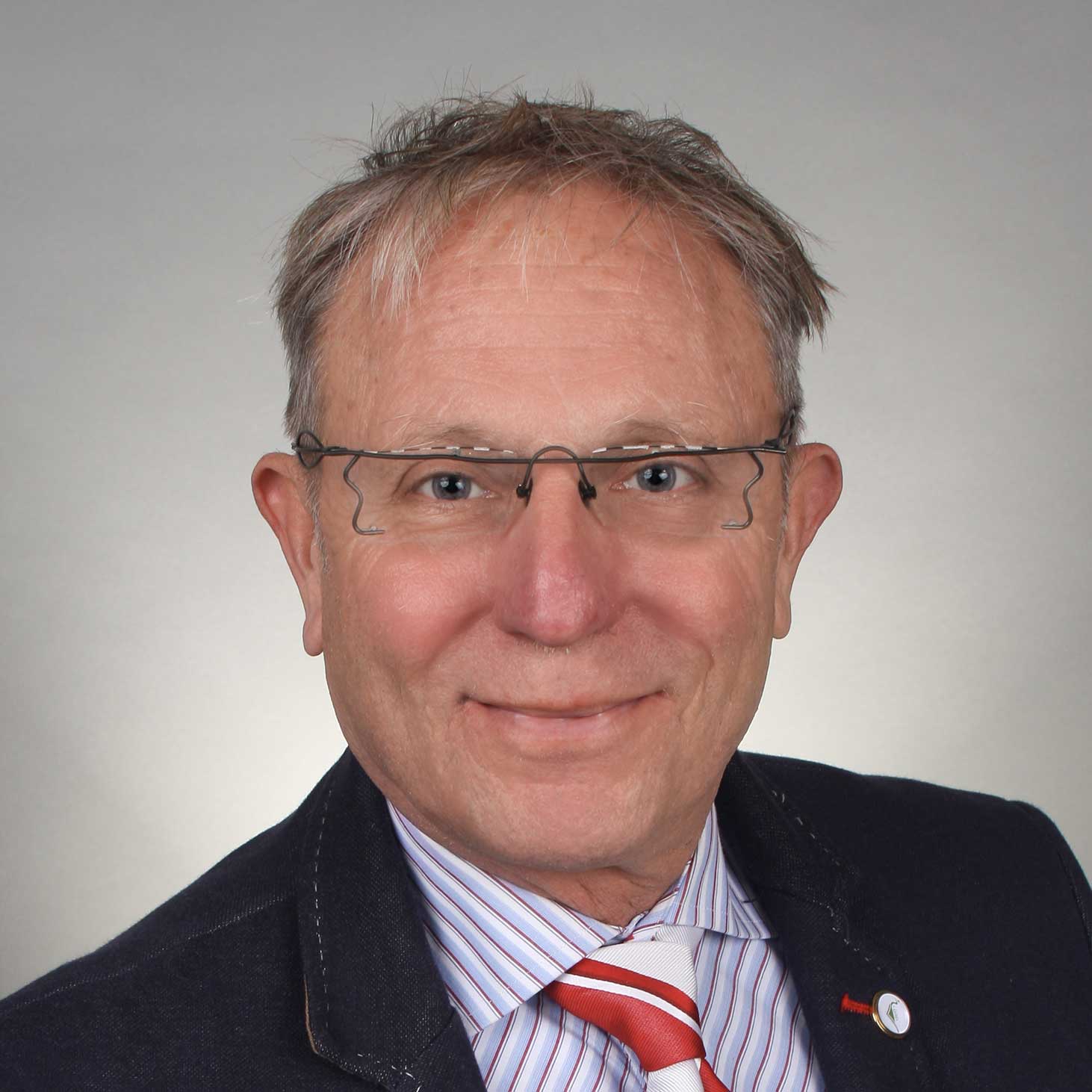
Prof.DDr.med.Dr.habil Claus Muss PhD
Nutritionist, Immunologist, Preventive and Environmental Physician
From Protein Building Blocks to Neurotransmitters, Methylation, Detoxification and Mitochondria
Amino acids form a biochemical communication network that determines how we think, sleep, detoxify, regenerate, respond to stress and produce cellular energy. A small metabolic shift can redirect tryptophan away from serotonin and melatonin toward the kynurenine pathway, while tyrosine provides the substrate for dopamine, noradrenaline and adrenaline.
This lecture takes the audience on a fascinating journey through the interconnected pathways of tryptophan, tyrosine, taurine and the branched-chain amino acids. We will explore how inflammation can fundamentally redirect amino-acid metabolism, linking immune activation to neurotransmitter balance, mitochondrial NAD production and chronic disease.Particular attention is given to the biochemical crossroads of serotonin and melatonin synthesis, catecholamines and mitochondrial metabolism. The aim is to translate complex biochemistry into clinically useful patterns: Which pathway is activated? Which substrate or cofactor is missing? And when can supplementation help—or potentially push metabolism in the wrong direction?
A clinically oriented tour through the hidden chemistry that connects brain, gut, immune system, mitochondria and metabolism and demonstrates why understanding amino-acid pathways may reveal far more than measuring an isolated amino acid ever could.
Speaker:
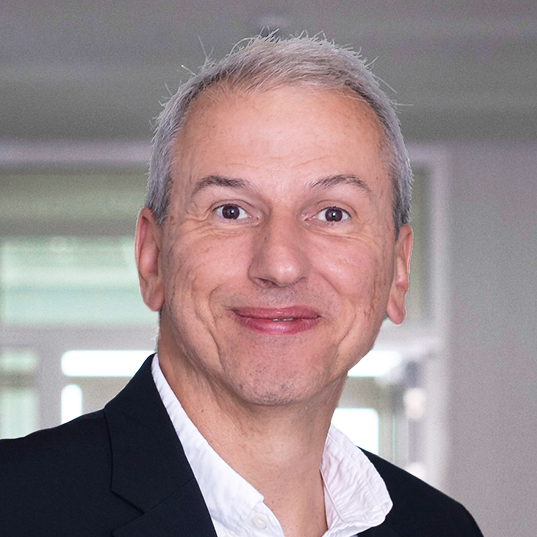
Dr. rer. nat. Heiko Hofmann
Regenerative Medicine
Regenerative medicine aims to restore or improve the function of damaged or aging tissues by supporting endogenous repair mechanisms and, where appropriate, using advanced cellular and molecular therapies. Its success depends not only on therapeutic interventions but also on a comprehensive understanding of the patient’s individual biological environment.
Laboratories like Biovis plays a central role in this process. Modern laboratory diagnostics can identify metabolic, nutritional, inflammatory, immunological, and mitochondrial factors that may influence tissue regeneration or adverse reactions ti implants. Key parameters include micronutrient status, markers of oxidative stress and inflammation, metabolic profiles, mitochondrial function, and biomarkers reflecting the gut microbiome and its metabolites. These measurements can help identify functional deficits and provide a basis for individualized therapeutic strategies.